


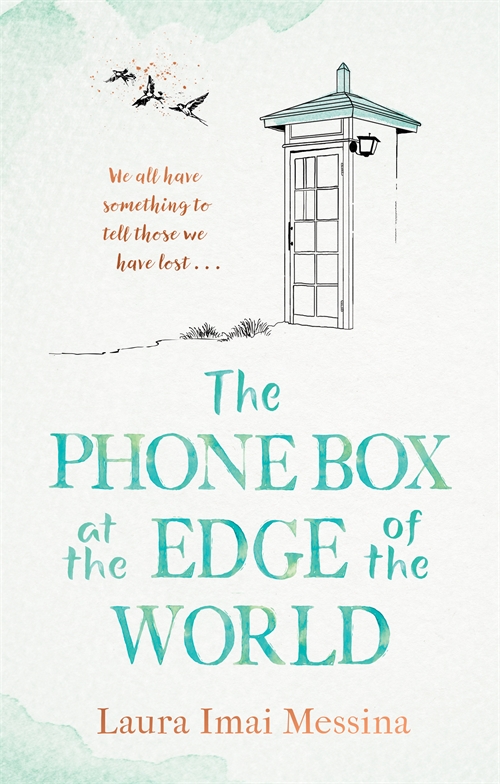
Title: The Phone Box at the Edge of the World
Author: Laura Imai Messina
Type: Fiction
Published: 2020
Pages: 375
TW: Grief, Death of a Loved One
“And if she had said it out loud, Takeshi would have told her the truth. That love is a miracle. Even the second time around. Even when it comes to you by mistake.”
Based on a real place with a real phone box, The Phone Box at the Edge of the World explores one women’s journey coping with her reality after the 2011 tsunami in Japan kills her mother and daughter. In the years that follow, she hears of a phone box in which people journey to in order to speak with the dead. Wanting to heal her trauma, Yui travels to the phone box, but when she gets there, isn’t able to find the courage to pick up the phone and talk. Reminiscing on her memories with her mother and daughter while trying to build a new life for herself Yui must find a way to move forward without them.
Whenever I read a translation, I am always blown away by the beauty of the words and how they transcend the translation to bring us that beauty in both the language it was written in and the one I am reading it in. This book in particular had so many stunning passages, that despite my overall indifference to its plot, I couldn’t help but fall in love with the writing.
When I speak of my indifference, what I mean is that I think it’s a powerful story with many interesting explorations of grief, the meaning of family, and belonging, but I don’t think it was quite grounded enough for me. The beautiful writing coupled with the split narrative (which switched between Yui’s story and various other digressions such as lists relating to her daughter or quotes from the bible) meant that the whole thing was a bit messy for me, and didn’t include enough solid plot to keep me interested.
I think the book triumphs mainly in the small moments, like when Yui remembers the way her daughter used to dress, or the way she used to sing on the train – it is a stark reminder that we don’t know how long we have left with our loved ones so we should really learn to cherish every moment.


It’s a beautiful story but one I think that is ultimately overshadowed by it’s confusing narrative and whimsical flow. I really loved Yui’s story and was compelled by her grief, but I wished that there was more palpable plot for me to sink my teeth into. As I alluded before about translations, there is always a chance that read in its original language it lands better but as I cannot read Italian, I unfortunately won’t know for sure.
Review overview
Summary
6Whimsical, Confusing, Beautiful